Jevon’s Paradox
Jevon’s paradox is when an increase in efficiency of a resource can lead to the increased use of that resource instead of a reduction as you might expect. In 1865, William Stanley Jevon noted this about Coal, in 2025 it’s Electricity’s turn. Driven by the efficiencies of renewables sources, LED lighting, Electric Vehicles along with the move to net-zero, electricity is now suffering this effect. The result is that more electricity is required than ever before, causing a need to expand and strengthen the infrastructure to carry it from where it is generated to where it is used.
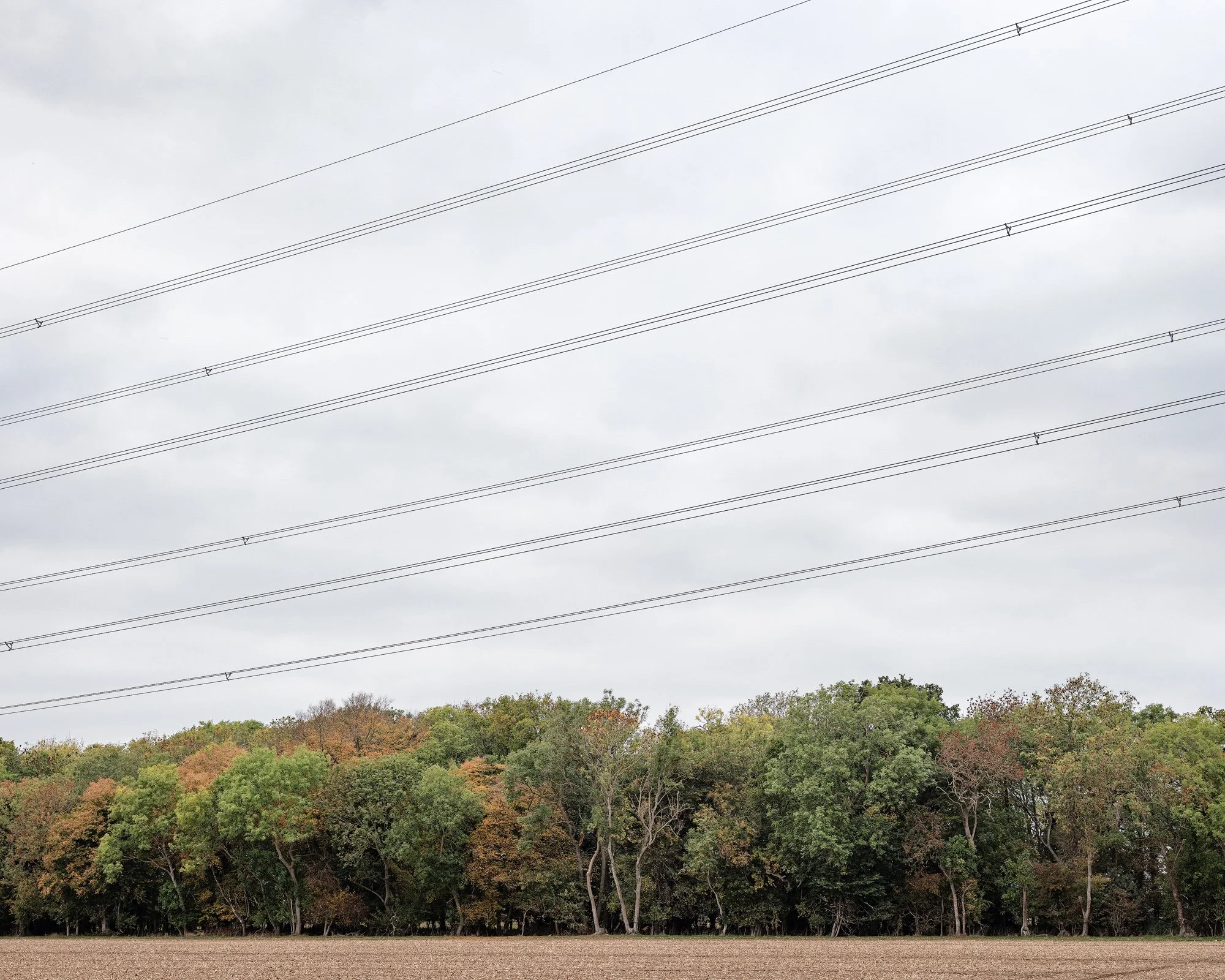
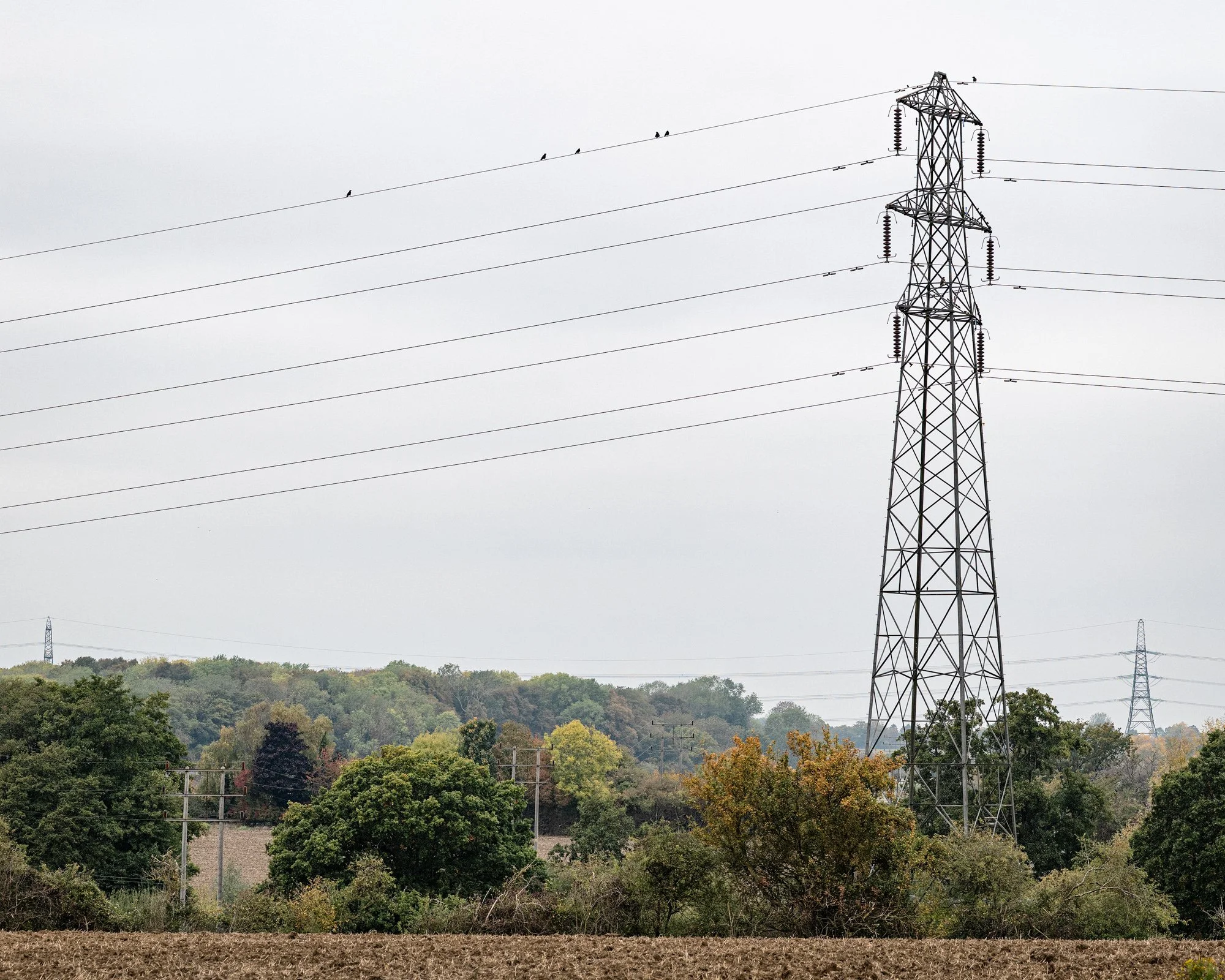
The transmission of electricity over long distances requires High Voltage (HV) cables which are bulky and “industrial”. The cost of under-grounding or running them undersea is deemed too prohibitive so they are strung high above the ground between enormous grey steel towers (Pylons). These HV networks have little benefit for the communities they cut through, unlike Low Voltage (LV) networks which supply local power.
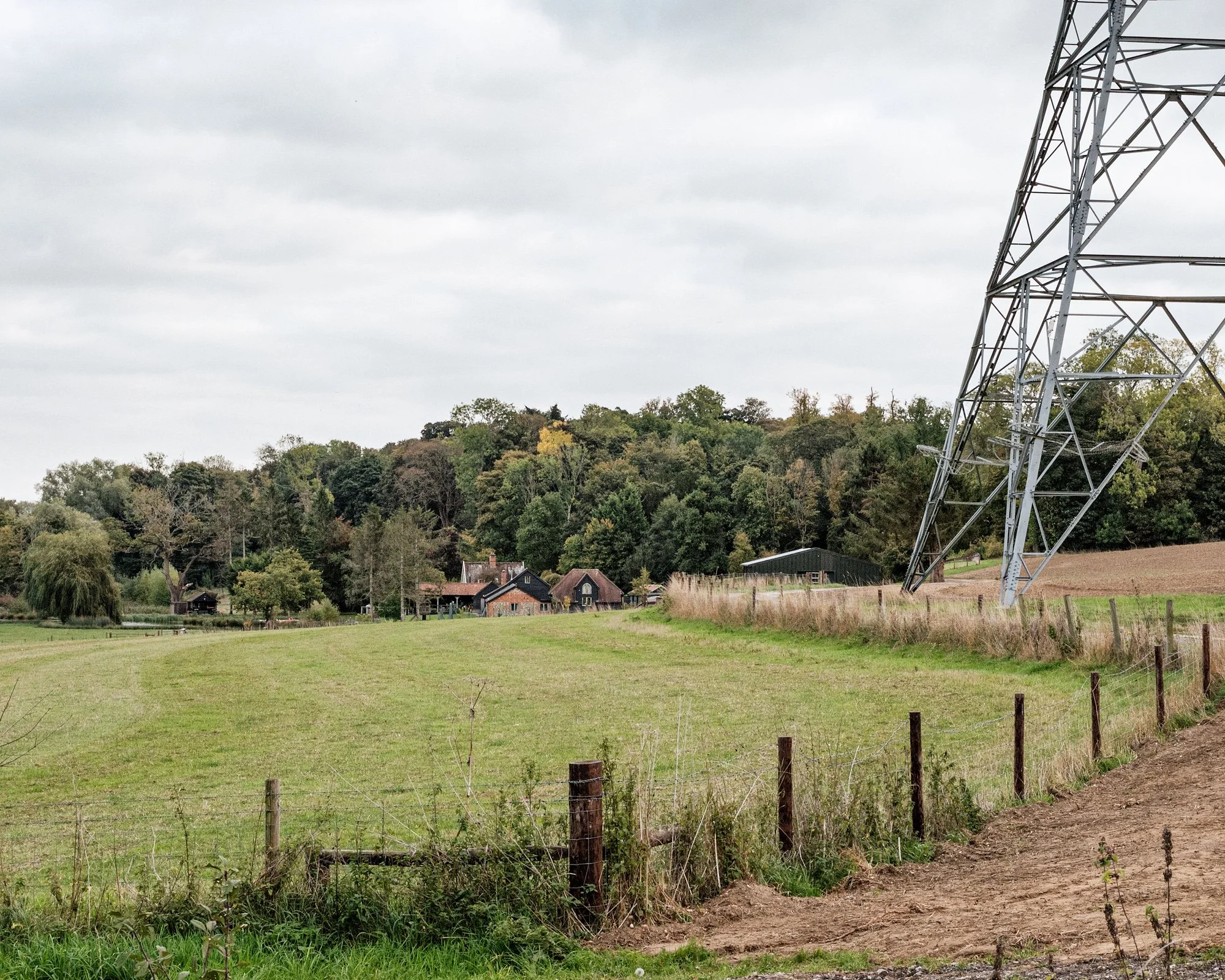
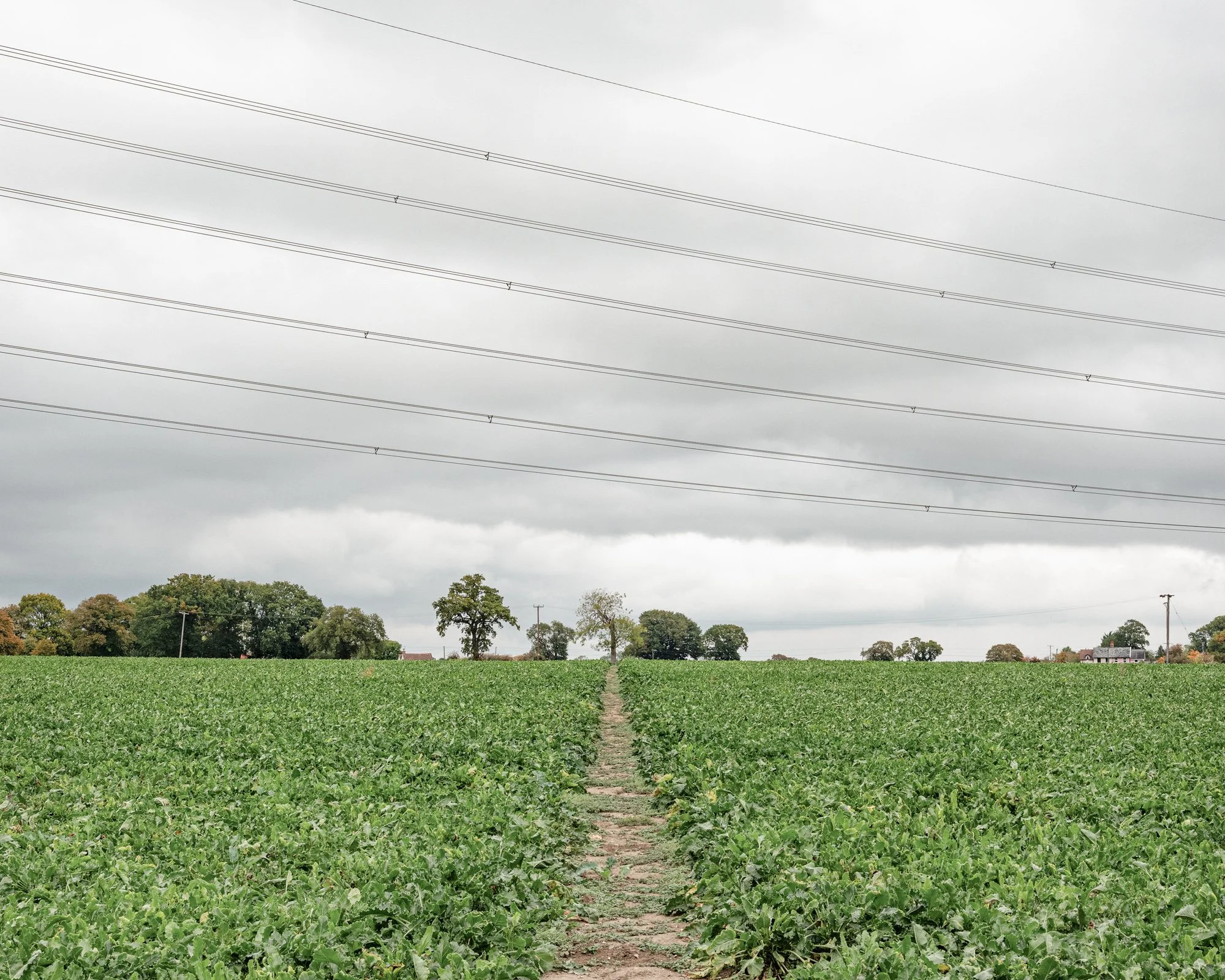
The macro needs of the economy, cities, industry and data centers override the micro needs of small and rural communities. Decades long battles to protect centuries old woodland Sites of Special Scientific Interest (SSSI), landscapes and traditional country life rage endlessly.
Ironically in these times of flag waving patriotism, the traditional bucolic English landscape is the first thing expendable in the rush to the future.